Streamlined three-tier loyalty program where every member enjoys the same high-quality rewards, with benefits escalating at each tier.
Simple yet effective, this program stands as the best deal for Eloking's boosting services, ensuring maximum value and satisfaction for all our users.
Cashback on all Eloking boosts (3%, 5%, 7%)
Discounts for all Eloking boosts (5%, 10%, 15%)
Discount for a friend 🤗
Free daily lootbox spin with industry-leading rewards
Member exclusive season and event offers
VALORANT Miks abilities and release date explained
p
Jack Willa
Gamer
12 Jul 2026
Updated On
Listen to this post
TL;DR: Miks, released March 18, 2026 in VALORANT Season 2026 // Act 2, is a hybrid Controller built for tempo and teamwork, not just smokes. With healing, combat stim, concuss, and knockback utility alongside smokes, he can keep coordinated teams moving and winning fights longer.
Riot didn't just drop a new Controller into VALORANT - it handed teams a kit that can heal, stim, concuss, and still throw down smokes, all at once. Miks arrived on March 18, 2026, right as Season 2026 // Act 2 launched, and the timing made the reveal feel less like a tease and more like a warning. Harmonize refreshes on kills, M-Pulse can swap between Concuss and Heal, and Bassquake doesn't just punish a push - it can blow a fight wide open. That's when the real question hits: is Miks actually a smoke agent, or the start of something much more disruptive?
The answer gets even sharper once you see how much this kit rewards coordination over solo play. In the right hands, Miks doesn't just support a round - he keeps it moving, keeps people alive, and makes every follow-up fight nastier than the last.
Miks release date: March 18, 2026, not some vague later drop
Riot revealed Miks during the grand finals of VALORANT Masters Santiago, and the agent released on March 18, 2026 as part of Season 2026 // Act 2. That timing matters because this was not a random side patch. It was a full act reset with a new Controller at the center of it. Simple as that.
Patch 12.05 lined up with the act launch, and the rollout put Miks in the live game right away. That's the part worth emphasizing, because Riot clearly wanted the reveal and the release to happen together, with no long gap in between. It keeps the hype tight.
Struggling to win? Bad teammates?
Purchase a game with one of our PRO players.
One game
Average wait time <30 minutes
$4.00
$3.32 per game
Two games
Average wait time <30 minutes
$8.00
$3.00 per game
Three games
Average wait time <30 minutes
$12.00
$2.50 per game
Miks abilities are built for tempo, not just smoke duty
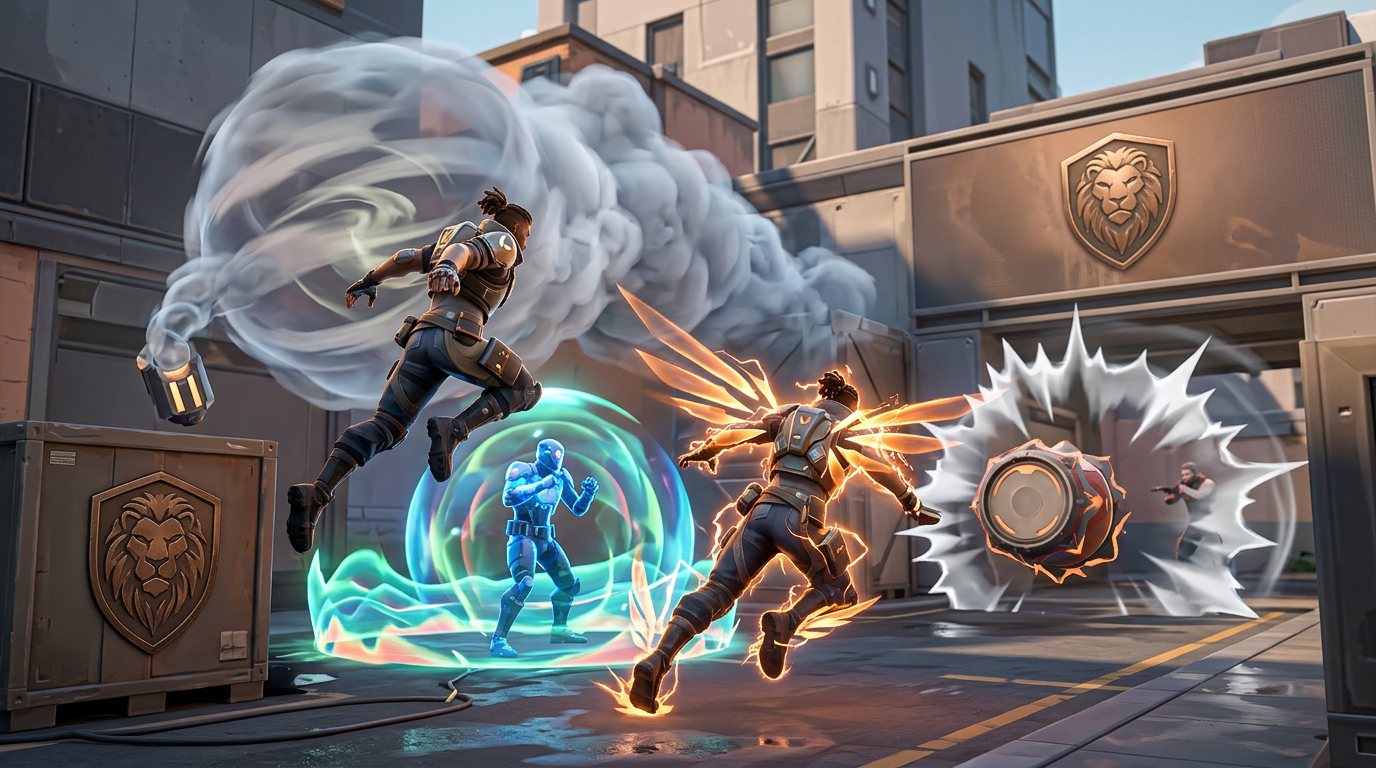
Miks comes with Harmonize (Q), M-Pulse (C), Waveform (E), and Bassquake (X). The kit is the giveaway. This is a Controller, sure, but he plays like one with extra sauce.
Harmonize (Q): equip Harmonize, target an ally, and fire to activate a Combat Stim on both of you. It refreshes with each kill. Alt-fire gives the Combat Stim to yourself only.
M-Pulse (C): alt-fire toggles between Concuss and Healing outputs. Fire throws the device, and when it lands it sends out sound waves that Concuss or Heal players.
Waveform (E): equip a Map Targeter, set locations, and alt-fire to spawn Smokes at those spots.
Bassquake (X): equip Bassquake and fire to build up and unleash Sonic Radiance forward, knocking back, Deafening, and Slowing players.
That is not a normal smoke kit. Harmonize and M-Pulse push Miks into support territory without fully leaving Controller land. Waveform still does the classic Controller job. Bassquake gives him a real fight-winning ultimate instead of a "hope they walk into it" panic button. Clean kit. Nasty timing.
Why Miks feels like a role shift, not just another agent
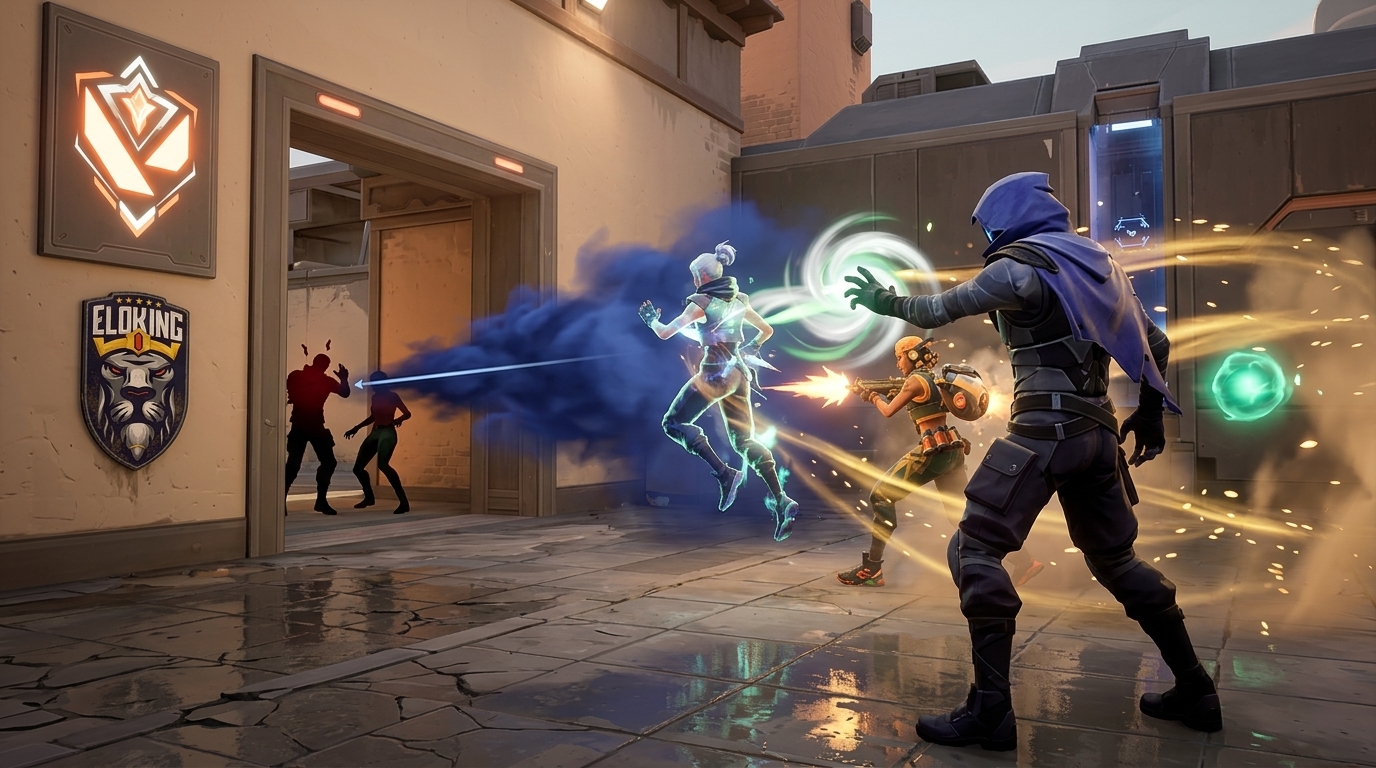
The big thing here is simple: Miks rewards coordination. If your team is grouped, trading well, and actually playing off utility, Miks looks nasty. If you solo queue like a gremlin and ignore your team, he loses a lot of his shine. That's not a flaw. That's the point.
Riot has been experimenting with hybrid-style kits, and Miks leans into that idea hard. Healing on a Controller is already enough to make people do a double take. Add Combat Stim, concuss pressure, and placeable smokes, and you get an agent that can keep a hit moving longer than a standard smoke-only kit. That's the difference.
So if you're asking whether Miks is just a "new smokes guy," no. He's a tempo controller. He helps your team move faster, stay alive longer, and win more follow-up fights. That's a very different job description.
What Miks means for the VALORANT meta
Miks is the kind of release that makes solo queue mains shrug and coordinated stacks grin. In organized play, this kit can create awkward rounds for the other team. Smokes plus healing plus stim means your execute does not stop after the first contact. It keeps going.
That also means the usual Controller comparison gets weird. Miks is not trying to out-Omen Omen or out-Brim Brimstone. He is doing something more annoying: making your team harder to stop once the round starts moving. That's the part people will feel fast, even before they fully understand the numbers.
Bottom line: Miks is a Controller for players who want more than smoke placement. He is for teams that want momentum. And if your squad already knows how to play off each other, Miks is the kind of agent that can make the other side look completely lost.
Miks is built to shine when players are trading, grouping, and following utility together. In scattered solo queue rounds, his healing and stim tools lose a lot of value because they depend on teammates taking fights at the same time.
Yes, but his value shifts from pure vision control to round pacing and survivability. Double-controller setups can be obnoxious when one agent handles denial and Miks keeps the push alive with heals, stim, and concuss pressure.
Harmonize refreshes on each kill, so a player can keep reapplying the Combat Stim as long as the streak continues. That makes it strongest in fast rounds where the team is converting opening picks into immediate pressure.
M-Pulse still has value because the alt-fire can switch to self-heal, but the ability is clearly stronger when allies are in range of the support output. Without follow-up teammates, it becomes a smaller swing instead of a round-shaping one.
Bassquake is an entry-cracking ultimate. The knockback, Deafening, and Slow effects are designed to break a defensive hold and make the next fight messy for the other side, not to sit on a site and wait.
What’s next?
Take your Valorant gameplay to the next level and climb the ranks with ease - buy Valorant boost now!
Purchase Valorant Boost
and start playing at the rank you deserve!










 Quality
