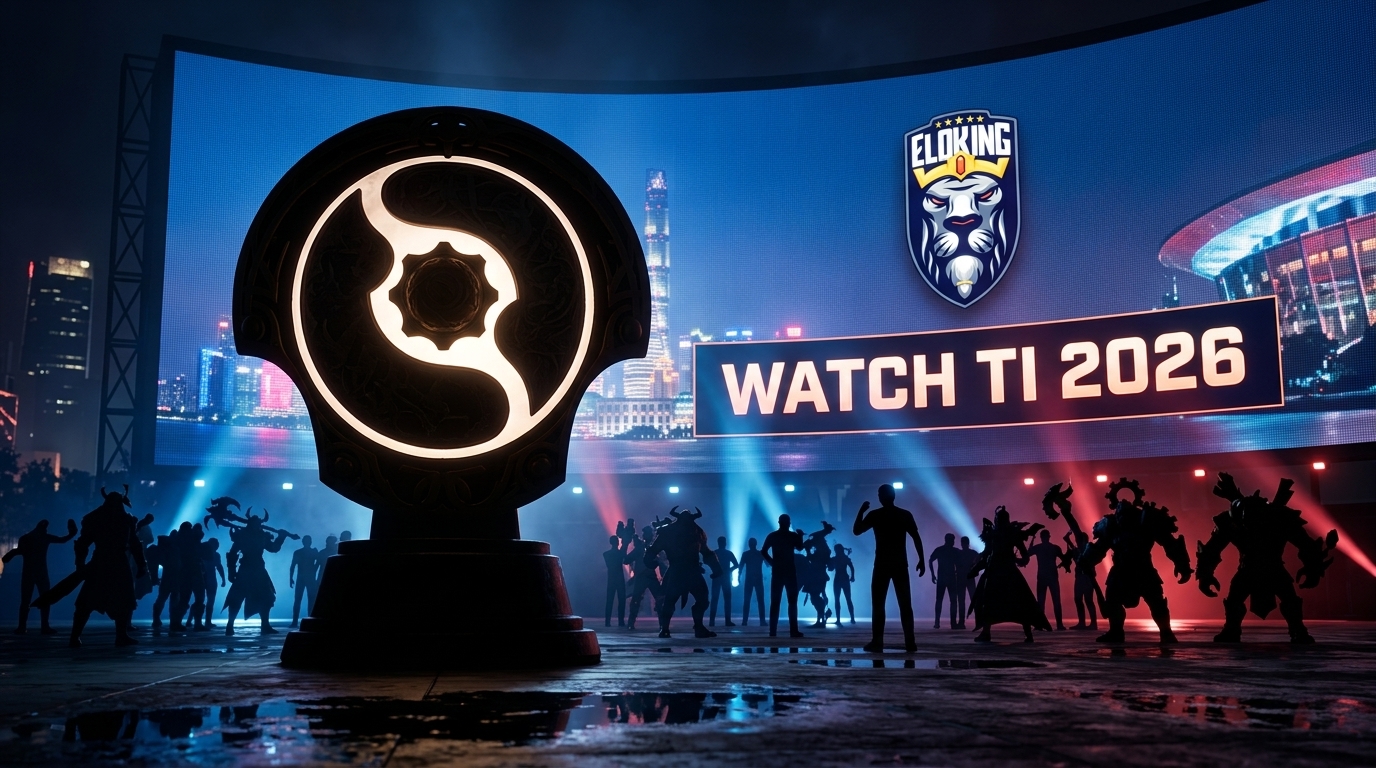
The August 13 - 23 reported event calendar is the part of The International 2026 viewers can plan around right now: Group Stage August 13 - 16, then playoffs August 20 - 23 in Shanghai.
Steam, YouTube, Twitch, and Secret Shop routes have also been reported, but those details are still preliminary rather than directly verified Valve instructions. That matters, because one missed series or bad merch guess can wreck the whole plan.
TI 2026 Shanghai: Dates, Venue, Format
Dot Esports reports that TI 2026 runs in Shanghai from August 13 through August 23. Short story: the event is in Shanghai. The Group Stage occupies August 13 - 16, while the playoffs run August 20 - 23 at Oriental Sports Center, so the current event-level schedule points to a split format with a break in between.
The direct reporting cited here does not identify a postponement or venue change. That supports planning around Shanghai and the reported dates. Still, the situation can shift, so recheck the live report before the day you want to watch.
The venue naming also appears in two forms across the current reports. Dot Esports uses Oriental Sports Center, while the preliminary shop report says SPD Bank Oriental Sports Center. Both reports place the playoff action at the Shanghai venue during August 20 - 23; neither points to a different location.
TI 2026 Dates and Stage Timeline
The Group Stage ends on August 16, leaving a break before the August 20 playoff start. Clear enough. Do not mistake those stage blocks for a complete daily timetable. Dot Esports says its schedule and results are updated as the tournament progresses, making that live report the practical place to check the current series order and completed results.
The available verified reporting does not establish every upcoming matchup, exact daily start, time zone, simultaneous-stream assignment, replay time, or spoiler-free option. A listed event day is not a confirmed series start. Check the live schedule again on each viewing day instead of trusting an old bracket screenshot and getting burned.
The safest workflow is simple: use the stage dates for broad planning, then use the live-updated report for the series actually happening that day. Do not build a calendar from preliminary channel listings or assume a result page is a fixed organizer timetable.
TI 2026 Qualifiers and Invited Teams
The current schedule-and-results report includes tournament teams and rosters alongside its ongoing event coverage. Use that current listing when checking who remains in the field instead of relying on an early-season invite graphic.
The verified material used for this refresh does not establish the old claims about June qualifier dates, eight direct invites, or a June-to-September preparation window. Those details should not drive a current viewing plan. The stage calendar now puts the tournament action in August, with playoffs beginning August 20.
For viewers, the useful information now is the active field and current results. To see which series is next, which roster is playing, or whether a reported matchup has already finished, check the live tournament report during the event window.
How to Watch TI 2026 on Steam, YouTube, and Twitch
ConsolePCGaming reports three viewing routes tied to a Valve Steam announcement: The International stream hub on Steam, the official Dota 2 YouTube channel, and Twitch feeds for Chinese, English, Russian, and Spanish broadcasts.
Those destinations are useful leads, but they remain preliminary in the evidence available here because the underlying Valve announcement was not independently verified with usable details. Do not assume every series will appear on every platform or that the reported language feeds lock in fixed channel assignments.
The report names language options, not a complete channel map for every simultaneous series. That's the gap most likely to trip viewers up. A valid platform can still be the wrong feed for the match you want.
Check the current TI page or live schedule report before draft starts. It takes a minute and beats sitting in the wrong channel while chat spoils a game happening elsewhere.
The TI 2026 Secret Shop Details Reported So Far
ConsolePCGaming reports separate online Secret Shop routes for shoppers in China and shoppers elsewhere. It also reports an onsite shop at SPD Bank Oriental Sports Center from August 20 - 23, opening daily at 9:00 a.m. and closing after the first break of the final match series. The report does not establish the time zone for that opening time.
The same source mentions onsite cashier purchases and Perfect World app orders for pickup. Treat all of this as preliminary reporting, not settled storefront policy. Even if you are worried about missing merchandise, do not book travel around an unverified sales instruction.
The current report does not establish several rules players need before spending or traveling.
- Physical access: no confirmed rule states whether shop entry needs an event ticket, reservation, or other credential.
- Online sale dates: no verified opening or closing window is established for either regional storefront.
- Shipping coverage: domestic and international labels do not provide a country-by-country delivery list.
- Purchase limits: no verified per-item, per-order, or per-player cap is available.
- Returns and exchanges: no confirmed policy, deadline, or condition has been established.
A regional store split is not the same thing as a published shipping policy. Likewise, an onsite location does not prove that every venue visitor can enter the shop or collect an app order. Those are separate operating rules, and the available report does not settle them.
Use the reported routes to know where to look. Use confirmed store rules - not reposts or assumptions - before you spend or travel.
References



















 Quality
